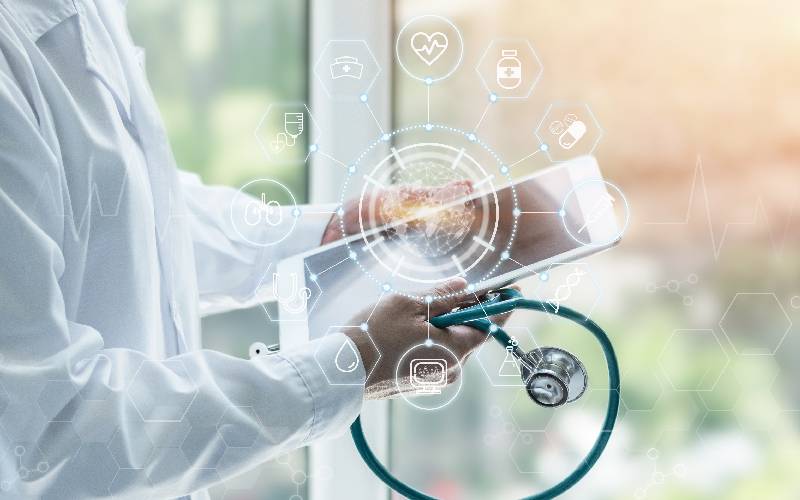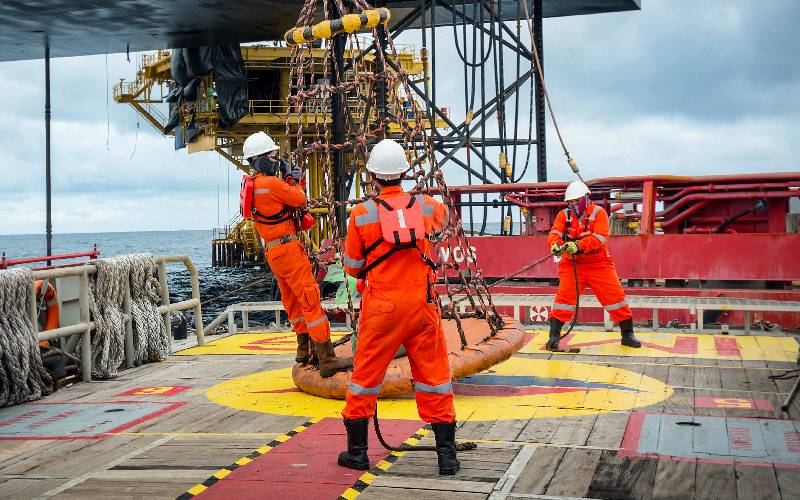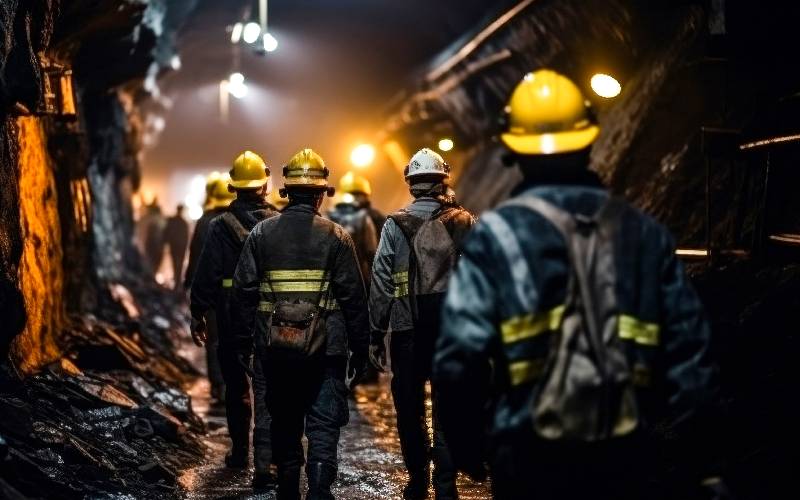
In mission-critical environments where precision and efficiency are paramount, the intersection of artificial intelligence (AI) and health monitoring is reshaping the landscape of worker well-being. This dynamic synergy is proving instrumental in safeguarding the health of mission-critical workers, ensuring not only their individual well-being but also the optimal functioning of industries such as utilities, transportation, and emergency services.
1. Real-Time Health Surveillance:
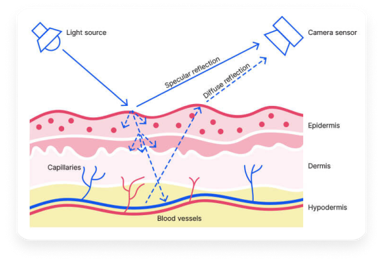
AI brings real-time health surveillance to the forefront of mission-critical operations. Through wearable devices and sensor technologies, AI continuously monitors vital health metrics of workers in these high-stakes environments. This immediate and continuous feedback loop enables early detection of health anomalies, allowing for swift interventions and preventing potential health crises that could compromise performance and safety.
2. Predictive Health Analytics:
AI’s predictive analytics capabilities are a game-changer for mission-critical workers. By analyzing historical health data and identifying patterns, AI can predict potential health risks before they manifest. This proactive approach empowers workers and employers to implement preventive measures, thereby mitigating the risk of health-related disruptions to critical operations.
3. Personalized Health Interventions:
AI tailors health interventions to the unique needs of each mission-critical worker. By considering individual health profiles, job roles, and environmental factors, AI-driven health monitoring can provide personalized recommendations for nutrition, sleep, stress management, and physical activity. This personalized approach not only enhances the well-being of workers but also optimizes their performance within the specific demands of their roles.
4. Efficient Emergency Response:
In mission-critical sectors such as emergency services, AI enhances emergency response efficiency by monitoring vital health indicators of first responders. AI algorithms can assess stress levels, detect signs of exhaustion, and provide crucial health information to incident commanders. This information ensures that emergency response teams remain physically and mentally resilient during high-pressure situations.
Conclusion:
The integration of AI into health monitoring for mission-critical workers is revolutionizing occupational health and safety. By providing real-time surveillance, predictive analytics, and personalized interventions, AI ensures that workers in high-stakes environments can perform at their best while prioritizing their health and well-being. As industries continue to embrace these innovations, the synergy between mission-critical work and AI health monitoring promises a future where worker safety and operational excellence go hand in hand.
Introducing HealthScan – Revolutionize Health Monitoring in Your Business Seize the opportunity with HealthScan. Elevate employee well-being, enhance safety protocols, and boost performance..